Quality Control for Sustainable Packaging: Testing Methods & Industry Best Practices
Sustainability has become an essential aspect of the packaging industry. Many companies within the UAE and GCC region are now embracing sustainable packaging as a means of minimizing the environmental footprint while fulfilling customer demands and adhering to regulations. Sustainable packaging, however, should provide equal protection, durability, and efficiency as regular packaging products. In this regard, Quality Control for Sustainable Packaging becomes highly important.
Every sustainable packaging product, be it biodegradable, recyclable plastic or paper, needs extensive testing in order to guarantee product safety, reliability in transportation, and customer satisfaction. With efficient quality control, manufacturers can avoid failures and unnecessary waste while complying with international standards.
In this guide, we will consider the importance of sustainable packaging quality control and testing methods.
Why Sustainable Packaging Requires Advanced Quality Control
Sustainable materials used for packaging usually possess some other physical or mechanical characteristics from conventional plastic materials. Although they help in reducing the environmental footprint, they can also pose some problems such as lack of strength, susceptibility to moisture or reduced shelf-life.
Quality control allows manufacturers to:
- Guarantee the strength of the packaging
- Guard the products during transportation and storage
- Save on materials and manufacturing costs
- Follow sustainability requirements
- Increase consumer satisfaction
- Provide consistent product quality
If not tested, even the most sustainable packaging materials can cause problems such as product damage, increased returns, etc.
Understanding Quality Control for Sustainable Packaging
Sustainable Packaging Quality Control consists of the assessment of packaging materials and products using standardized methods to test the performance of those products under actual use conditions.
These include:
- Material inspection
- Mechanical testing
- Environmental testing
- Barrier testing
- Performance testing
- Compliance testing
The purpose is to ensure that sustainable packaging offers both environmental advantages and product protection.
Key Testing Methods for Sustainable Packaging
1. Compression Testing
Compression test assesses the stacking ability of packaging material in storage and transportation.
Compression test will help manufacturers to ascertain the capacity of their packages like cartons, corrugated boxes, and environmentally friendly packaging to bear stacking without failing in a warehouse.
Advantages are as follows:
- Will not distort package
- Ensures warehouse safety
- Minimizes shipping damage
2. Burst Strength Testing
Burst strength testing evaluates how much pressure packaging materials can tolerate before rupturing.
It is especially important for:
- Paper packaging
- Corrugated cartons
- Recycled packaging materials
Higher burst strength ensures better product protection throughout the supply chain.
3. Edge Crush Test (ECT)
The Edge Crush Test measures the compressive strength of corrugated board edges.
This test is widely used for:
- Corrugated boxes
- Shipping cartons
- Export packaging
ECT helps manufacturers optimize material usage while maintaining structural integrity.
4. Drop Testing
Packaging experiences multiple impacts during logistics.
Drop testing simulates accidental drops during:
- Warehouse handling
- Courier delivery
- Transportation
- Retail distribution
This testing confirms whether sustainable packaging can effectively protect products against impact damage.
5. Tensile Strength Testing
Tensile testing determines how much force packaging materials can withstand before breaking.
It is commonly performed on:
- Biodegradable films
- Flexible packaging
- Paper-based materials
- Plastic alternatives
Strong tensile properties improve package durability and handling performance.
6. Barrier Property Testing
Sustainable packaging often requires protection against:
- Moisture
- Oxygen
- Water vapor
- Air permeability
Barrier testing evaluates how effectively packaging preserves food, pharmaceuticals, cosmetics, and industrial products.
Proper barrier performance helps extend shelf life while maintaining product quality.
Common Challenges in Sustainable Packaging
Manufacturers often encounter several challenges when working with environmentally friendly materials.
These include:
Reduced Mechanical Strength
Some biodegradable materials may not offer the same durability as conventional plastics.
Proper testing ensures sufficient load-bearing capacity.
Moisture Sensitivity
Paper-based packaging can absorb moisture, affecting product protection.
Environmental testing identifies potential weaknesses before products reach consumers.
Material Variability
Recycled materials often show variations in quality.
Routine quality control ensures consistent production standards.
Transportation Risks
Packaging failures during shipping can increase replacement costs and customer complaints.
Simulation testing helps identify weaknesses before commercial distribution.
Industry Best Practices for Packaging Quality
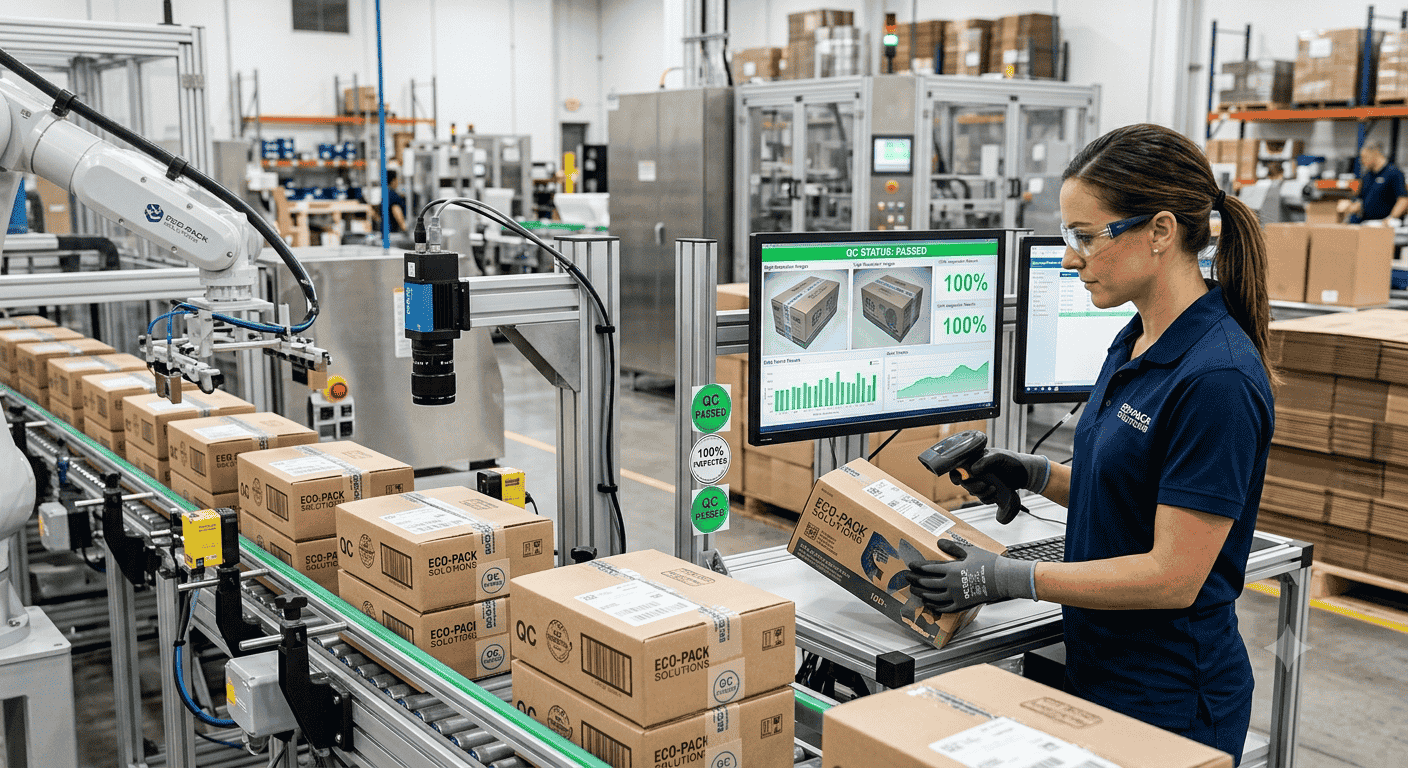
Successful manufacturers follow proven quality assurance practices throughout production.
Implement Standardized Testing
Use internationally recognized testing standards to maintain consistency and compliance.
Routine testing improves manufacturing reliability.
Perform Incoming Material Inspection
Every batch of raw materials should undergo quality verification before entering production.
This reduces defects and ensures consistency.
Test Throughout Production
Quality inspection should not be limited to the finished product.
In-process testing helps identify issues early and reduces production waste.
Simulate Real Shipping Conditions
Transportation simulation testing evaluates packaging performance under vibration, compression, and impact conditions.
This minimizes shipping damage and product returns.
Maintain Equipment Calibration
Testing instruments should be regularly calibrated to ensure accurate and repeatable results.
Reliable equipment produces trustworthy quality data.
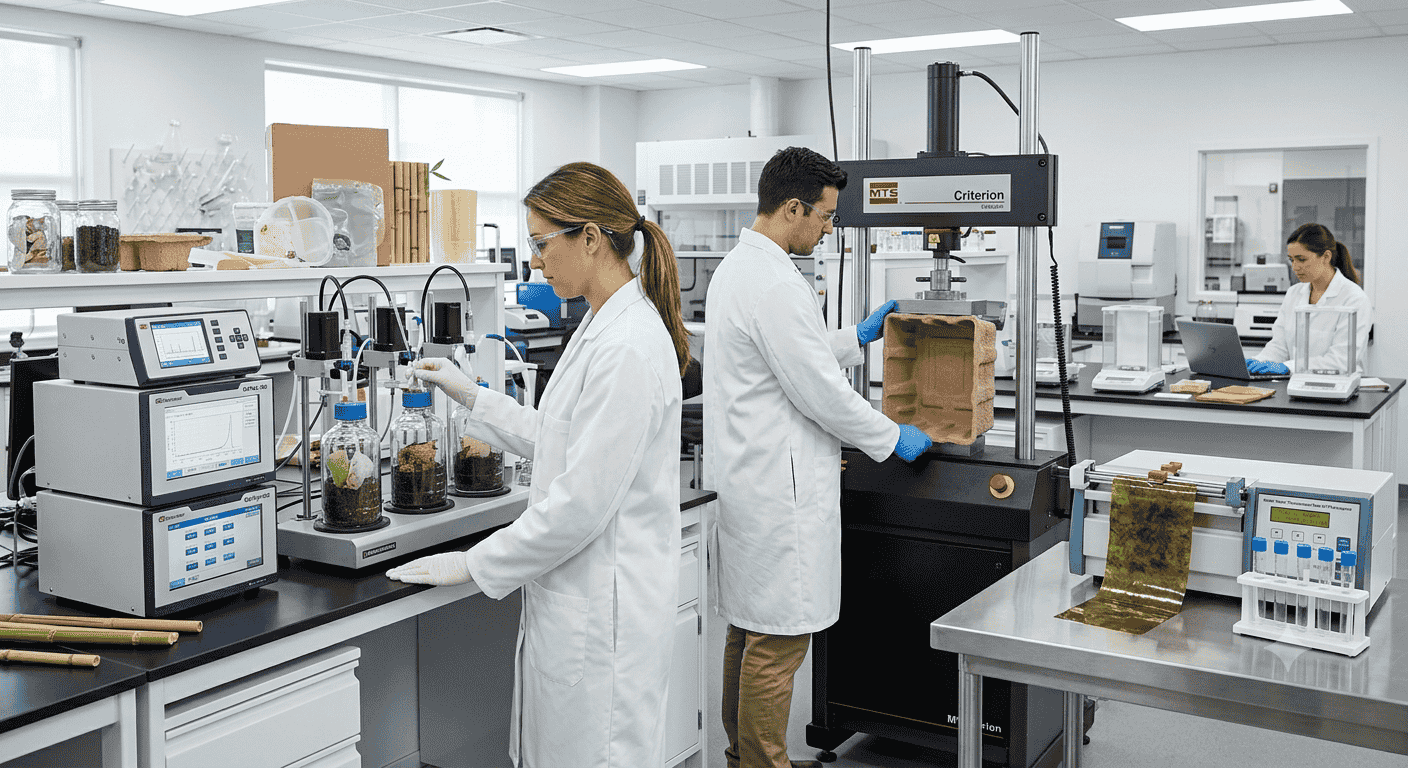
The Role of Laboratory Testing Equipment
Modern packaging laboratories employ sophisticated testing machinery to determine the performance of their material.
Among the required equipment are:
- Box Compression Tester
- Burst Strength Tester
- Edge Crush Tester
- Tensile Tester
- Drop Test Machine
- Environmental Tester
- Moisture Tester
- Peel Tester
This helps manufacturers have reliable data to enhance their packaging.
Benefits of Effective Packaging Quality Control
Implementing a comprehensive quality control program offers several long-term advantages.
These include:
- Improved product protection
- Lower packaging failure rates
- Reduced material waste
- Better customer satisfaction
- Increased production efficiency
- Regulatory compliance
- Lower transportation losses
- Stronger brand reputation
- Sustainable manufacturing practices
Investing in quality testing ultimately reduces operational costs while supporting environmental responsibility.
Why Choose Shivas scientific?
With Shivas scientific, there are packaging testing products available that can assist in providing your organization with high-quality products that conform to sustainable production standards. With a wide variety of testing machines, you can conduct tests on the strength and durability of green packaging materials used in various industries across the UAE and GCC regions.
With our products like compression testers, burst strength testing machines, tensile testers, and environmental simulation machines, you can be sure of meeting all the international quality standards set.
Conclusion
In today’s ever-changing packaging industry with sustainability, ensuring that high standards of quality are met becomes more critical than ever before. Quality Control for Sustainable Packaging will guarantee that eco-friendly materials are efficient in manufacturing, storage, transport, and in use.
With the help of standardized testing techniques, adherence to industry standards, and state-of-the-art laboratory facilities, companies can create packaging that is sustainable and reliable. Ensuring the quality of packaging guarantees the safety of products and increases customer loyalty.
If you are looking for quality packaging testing in order to ensure that your company meets certain criteria, contact us at Shivas scientific and we will help you achieve sustainable quality.