Manual vs Automated Testing Machines: A Complete Comparison Guide
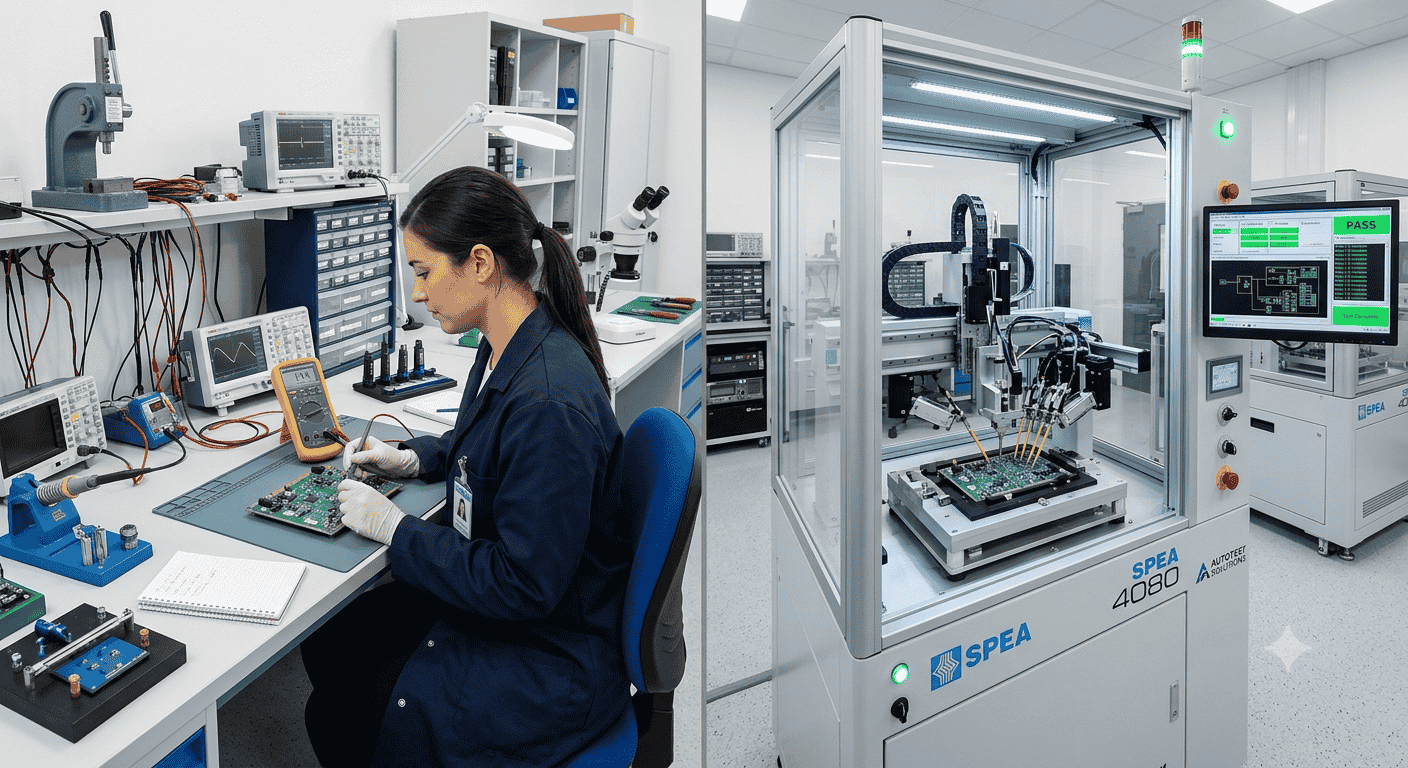
It goes without saying that when it comes to quality control, the choice of appropriate testing machines could considerably affect efficiency, accuracy, and even product safety. The most frequent question asked by producers is Manual vs Automated Testing Machines—Which Should I Choose?
Of course, the answer greatly depends on your manufacturing capacities, testing needs, budget, and strategic business plans. There are certain advantages and drawbacks of manual and automatic testing machines, so it is important to get familiar with them.
This article will provide you with all the necessary information about them. In this article, Shivas scientific gives an explanation of the distinctions between testing methods.
What Are Manual Testing Machines?
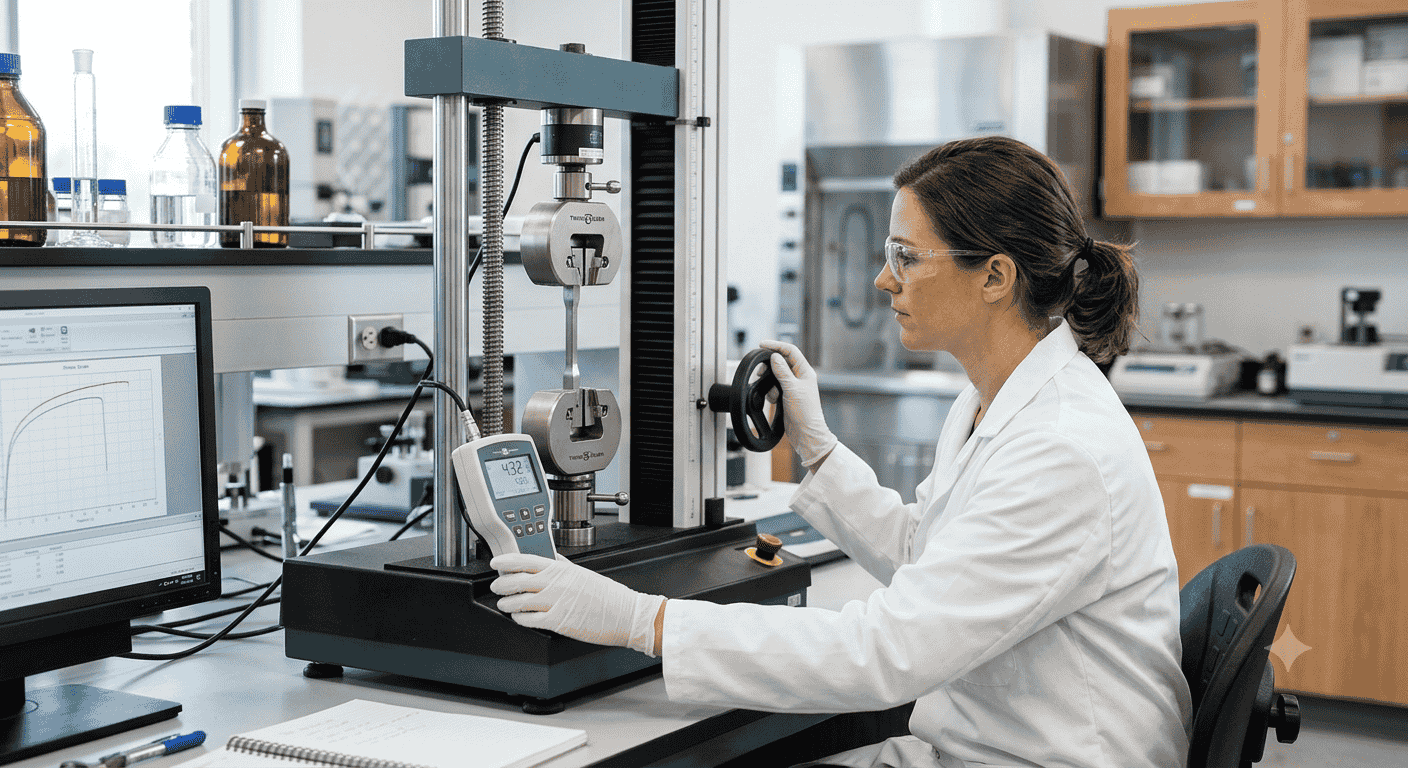
In manual testing machines, the test process is controlled manually by the operator. Such machines are used in laboratories, research institutes, educational institutions, and even low production environments.
Manual testing machines are most suitable where flexibility, cost-effectiveness, and infrequent testing is more desirable than fast testing.
Common Characteristics
- Manually-controlled test process
- Low cost of installation
- Easier installation and maintenance
- Small-scale testing process
- Good for research and development purposes
Manual testing machines can be used for tensile, compression, peel, shear, and other tests on materials.
What Are Automated Testing Machines?
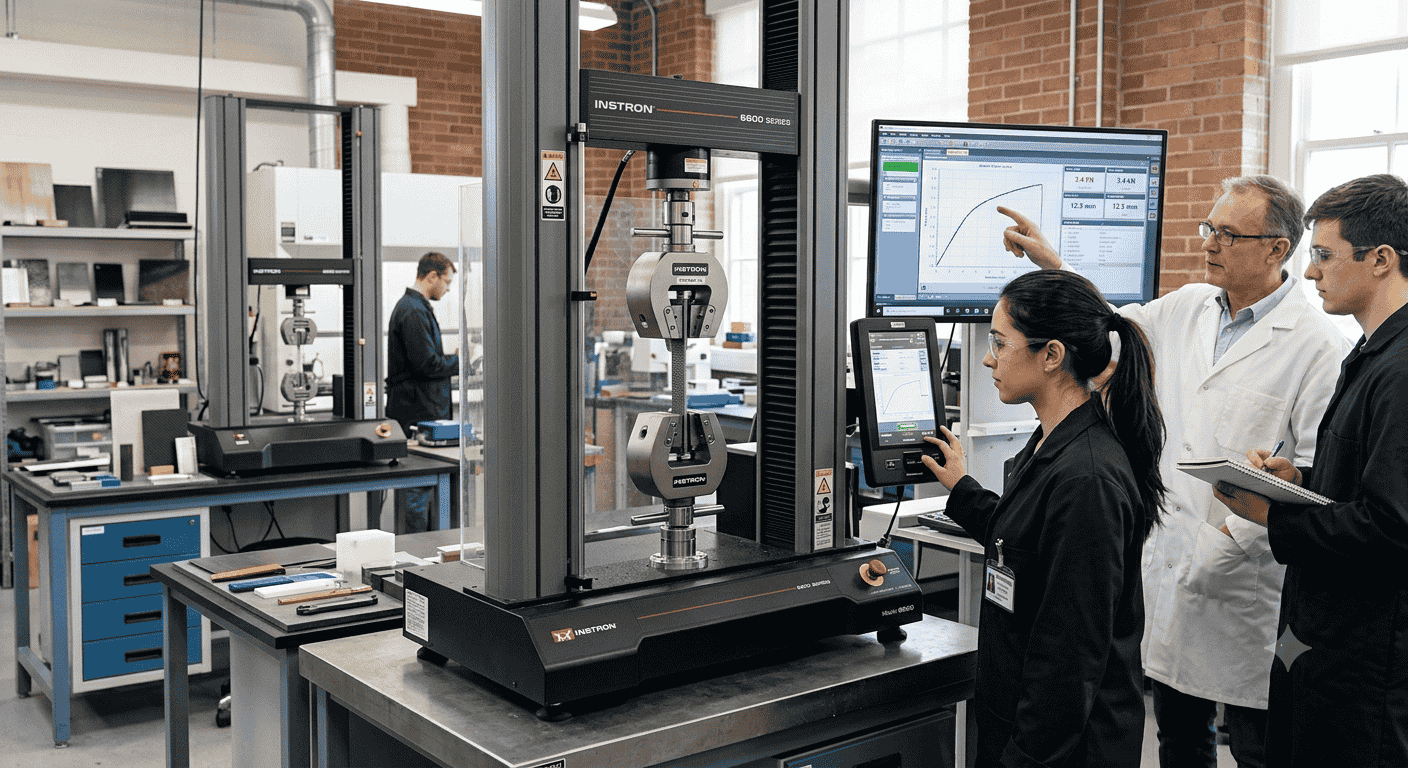
Automated testing machines perform testing using computerized controls, programmable software, and automated data collection. These systems minimize human intervention while delivering highly accurate and repeatable test results.
Industries with high production demands often choose automated systems because they improve productivity and reduce testing time.
Key Features
- Computer-controlled operation
- High testing speed
- Automatic data recording
- Excellent repeatability
- Advanced reporting and analysis
Automated systems are commonly integrated into production lines for continuous quality inspection and process optimization.
Manual vs Automated Testing Machines: Key Differences
Understanding the differences between manual and automated systems helps businesses select equipment that aligns with their operational needs.
1.Accuracy and Consistency
Automated testing machines provide exceptional accuracy by eliminating human error. Every test follows identical parameters, ensuring consistent results.
Manual machines depend on operator skills, making slight variations possible during repeated tests.
2. Testing Speed
Automated systems complete testing cycles much faster than manual equipment.
For manufacturers handling hundreds or thousands of samples daily, automation significantly improves productivity.
Manual machines are more suitable when testing frequency is relatively low.
3. Cost of Investment
One of the biggest differences in the Manual vs Automated Testing Machines comparison is the initial cost.
Manual testing machines are considerably more affordable, making them ideal for startups, educational institutions, and small laboratories.
Automated systems require a higher investment but offer greater efficiency and long-term savings for high-volume operations.
4. Ease of Operation
Manual equipment generally requires operator training and hands-on control throughout the testing process.
Automated systems simplify operation with intuitive software interfaces and programmable testing sequences.
Many modern machines also include touchscreen controls, report generation, and cloud-based data storage.
5. Data Management
Manual machines often require operators to record test results manually.
Automated testing systems generate digital reports instantly, reducing paperwork and improving traceability.
Electronic data storage also helps organizations comply with industry quality standards.
Advantages of Manual Testing Machines
Manual equipment remains a preferred choice in several industries because of its simplicity and affordability.
Benefits include:
- Lower purchase cost
- Minimal maintenance expenses
- Greater flexibility for customized testing
- Easy to operate in laboratories
- Suitable for prototype testing
- No complex software required
Manual systems are especially valuable when testing procedures frequently change or require operator judgment.
Advantages of Automated Testing Machines
Automated testing has transformed quality assurance by delivering faster, more reliable results.
Major benefits include:
- High testing efficiency
- Excellent repeatability
- Reduced operator dependency
- Improved productivity
- Automatic report generation
- Better compliance with international standards
- Lower long-term operating costs
Automation is particularly beneficial for industries where precision and consistency are critical.
Which Industries Benefit Most?
Different industries have different testing requirements.
Manual Testing Machines
Manual systems are commonly used in:
Automated Testing Machines
Automated systems are ideal for:
- Packaging industries
- Automotive manufacturing
- Pharmaceutical companies
- Plastic manufacturers
- Medical device manufacturers
- Food and beverage packaging
- Quality assurance laboratories
How to Choose the Right Testing Machine
Choosing between manual and automated machinery requires many considerations.
Take note of the following before you make your purchase:
- Number of daily tests
- Accuracy requirement
- Funds available
- Operator skills
- Business growth potential
- Industry requirements
- Recording data
If your business carries out occasional testing, then manual machinery will offer you better value for money.
For businesses that manufacture continuously and have high-quality standards, automated testing is more suitable.
Why the Right Choice Matters
Investing in the right testing equipment directly impacts product quality, customer satisfaction, and operational efficiency.
The Manual vs Automated Testing Machines decision should not be based solely on price. Instead, businesses should evaluate long-term productivity, maintenance costs, testing accuracy, and return on investment.
Choosing equipment that matches your production requirements helps reduce errors, improve workflow, and ensure compliance with international quality standards.
Why Choose Shivas scientific?
Shivas scientific is known for providing high-end packing and materials testing equipment tailored to cater to the requirements of laboratories, manufacturers, and quality control experts.
Our products offer reliability, precision, and longevity to ensure that businesses uphold the highest quality standards. Whether it is manual testing equipment for use in laboratories or an advanced system to be used in manufacturing plants, our team will assist you in making the right choice.
Our focus on innovation and customer satisfaction makes us your best partner for testing solutions.
Conclusion
Importance of Both Manual and Automated Testing Machines in Modern Quality Assurance
Affordability and flexibility are the benefits associated with manual machines, while high speeds, precision, and efficiency are advantages offered by automated systems. It is through a clear understanding of these machines that companies are able to make wise investment choices.
Manual vs Automated Testing Machines: Important Points to Consider When Selecting
When looking at manual vs automated testing machines, it is necessary for a company to evaluate its production needs, budget, and plans for future growth.
Contact Shivas scientific Today
Are you searching for quality testing machines for your lab or manufacturing plant? Our company provides a wide variety of manual and automated testing machines according to your industry’s needs.